Quick Answer
After a severe storm or extended power outage, homeowners should inspect their whole home water filtration system for power, leaks, proper settings, salt levels, and changes in water quality. If flooding occurred or your water appears cloudy, discolored, or has an unusual odor, it’s a good idea to have your system inspected before returning it to normal operation.
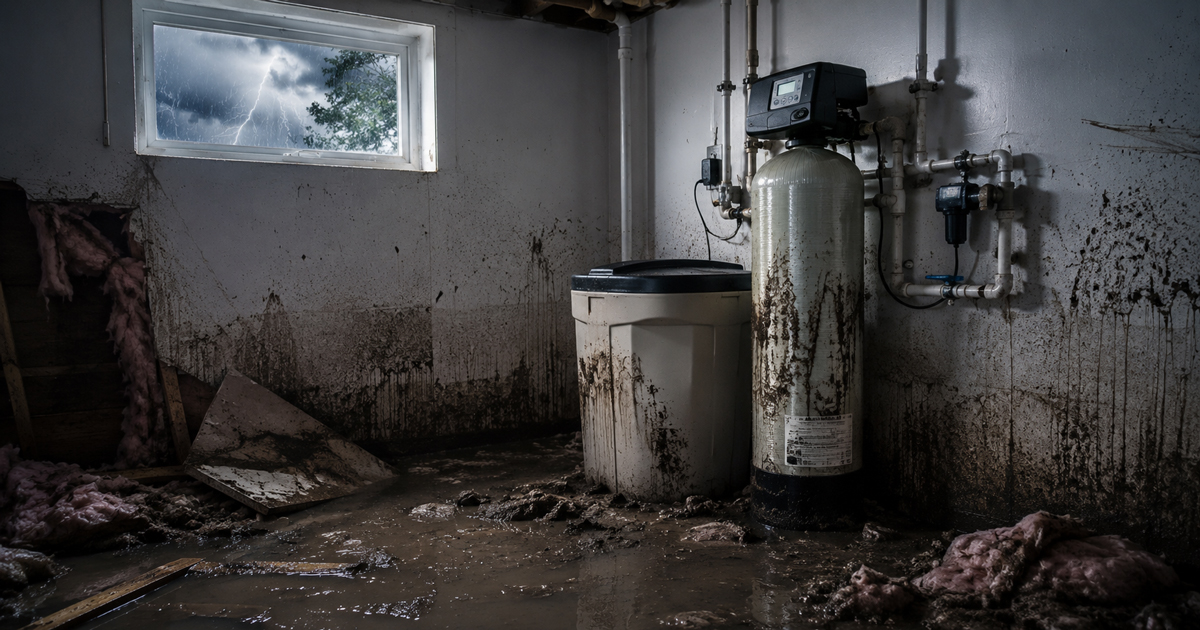
Why Storms Can Affect Your Water System
Southern Michigan and Northern Indiana experience their fair share of severe thunderstorms, heavy rain, flooding, and extended power outages. Whether you live in Jackson, Hillsdale, Adrian, Kendallville, or the surrounding communities, major weather events can impact both your home's water supply and the equipment that treats it.
Modern whole home water treatment systems are designed to provide years of reliable performance, but like any appliance, they benefit from a quick inspection after severe weather.
Taking a few minutes to check your system can help ensure it continues delivering the high-quality water your family depends on every day.
What Happens During a Power Outage?
Most EcoWater whole home systems use electronic controls to monitor water usage and automatically regenerate the softening media when needed.
When power is interrupted:
- Regeneration cycles may be delayed.
- The system clock may need to be reset.
- Scheduled settings should be verified.
- Homes on private wells will lose water until power returns to the well pump.
Fortunately, most modern EcoWater systems retain their programming during a power outage, but it is still worth confirming everything is operating correctly once electricity has been restored.
What to Check Before Using Your Water Again
Once power has returned, perform a quick inspection of your system.
Verify Power
Confirm the display is illuminated and the controller appears to be operating normally.
Check the Time
Many systems automatically resume operation, but verifying the correct time ensures future regeneration cycles occur when intended.
Inspect for Leaks
Walk around your water treatment equipment and look for:
- Water around the base
- Dripping fittings
- Loose plumbing connections
- Damaged tubing
Check Salt Levels
If your system is a water softener, verify there is adequate salt in the brine tank.
Listen for Unusual Sounds
Your system should operate quietly. New noises or constant water flow may indicate something requires attention.
Can Heavy Rain Affect Your Water?
Yes.
Heavy rainfall can temporarily change water quality, especially for homes supplied by private wells.
Some homeowners may notice:
- Cloudy water
- Brown or yellow discoloration
- Increased sediment
- Metallic taste
- Earthy odors
Municipal water systems generally remain safe, but treatment plants occasionally adjust operations during significant storms, which can temporarily affect taste or appearance.
If your water changes dramatically after severe weather, it's worth having it evaluated.
What If Your Basement Flooded?
Flooding deserves extra attention.
If floodwater reached your water treatment equipment:
- Do not assume the equipment is safe to operate.
- Inspect electrical connections.
- Look for damaged plumbing.
- Check for visible contamination.
- Contact a qualified professional before restarting submerged equipment.
Floodwater can carry contaminants that should never enter your home's drinking water system.
Well Water vs. Municipal Water
Well Water
Private well owners should be especially cautious after prolonged rain or flooding.
Consider having your water tested if:
- Floodwater reached the wellhead.
- Water becomes Cloudy.
- Taste or odor Changes.
- Sediment suddenly increases.
Municipal Water
City water customers are less likely to experience contamination, but severe weather can still cause temporary changes in water pressure, appearance, or taste while municipal systems recover.
Checking Your Reverse Osmosis System
If your home has an EcoWater reverse osmosis drinking water system, a few simple checks can help ensure everything is operating properly after an outage.
- Allow the storage tank to refill completely.
- Flush the faucet for several minutes before regular use.
- Verify water flow has returned to normal.
- Inspect tubing and fittings for leaks.
- Replace filters if regular maintenance is overdue.
Your reverse osmosis system is responsible for producing your home's highest-quality drinking water, making it worth a quick inspection after severe weather.
Why Annual Maintenance Matters
Storms often remind homeowners how much they rely on the systems they rarely think about.
Just like your furnace or air conditioner, your water treatment system benefits from routine maintenance.
An annual inspection can help:
- Maintain water quality
- Improve efficiency
- Reduce salt consumption
- Catch small problems before they become expensive repairs
- Extend the life of your equipment
Many homeowners don't realize their system's performance can gradually decline over time without obvious warning signs.
Peace of Mind Starts With Better Water
Whether your home experienced a brief outage or several days without power, taking a few minutes to inspect your whole home water treatment system is a smart step toward protecting your investment and your family's water.
If you've experienced flooding, significant changes in water quality, or it's simply been over a year since your last maintenance visit, Tri-County Water can help ensure your EcoWater system is operating as it should.
We proudly serve homeowners throughout Jackson, Hillsdale, Adrian, Kendallville, and the surrounding communities with professional water treatment solutions backed by decades of experience.
Frequently Asked Questions
Should I reset my EcoWater system after a power outage?
Most EcoWater systems retain their programming during a power outage, but it's a good idea to verify the time, settings, and display once power returns.
Can heavy rain affect my home's water quality?
Yes. Heavy rainfall can temporarily affect both private wells and municipal water supplies by introducing sediment, changing water clarity, or altering taste and odor.
Should I use my water softener if my basement flooded?
If floodwater reached your equipment, have it inspected before returning it to service. Water and electrical components should always be evaluated after flooding.
How do I know if my reverse osmosis system is working properly?
After power is restored, allow the storage tank to refill, flush the faucet, inspect for leaks, and verify normal water flow.
How often should a whole home water filtration system be serviced?
Most manufacturers recommend annual maintenance to ensure proper operation, maintain efficiency, and identify worn components before they become costly repairs.
Conclusion
Severe storms, heavy rain, flooding, and power outages can affect more than just your home. They can also impact your water treatment system and the quality of your water. Taking a few minutes to inspect your equipment after the weather clears can help ensure your system is operating properly and your family continues to enjoy clean, reliable water.
If you've noticed changes in your water, experienced flooding, or it's simply been over a year since your last service, a professional inspection can provide peace of mind. Tri-County Water proudly serves homeowners throughout Jackson, Hillsdale, Adrian, Kendallville, and the surrounding communities with expert maintenance, water testing, and complete EcoWater treatment solutions.
Whether you need a routine tune-up or have questions after a major storm, our team is here to help keep your water system performing at its best.