Quick Answer
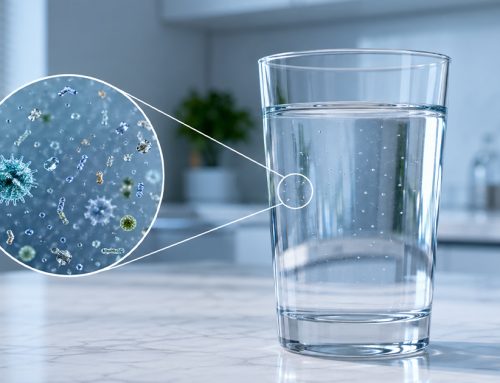
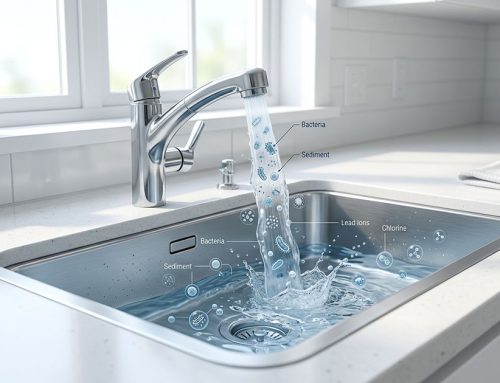
A home water test identifies key indicators like hardness, chlorine, and mineral levels that affect daily water use. It does not detect all contaminants, including microplastics or complex chemical compounds, which typically require advanced laboratory analysis.
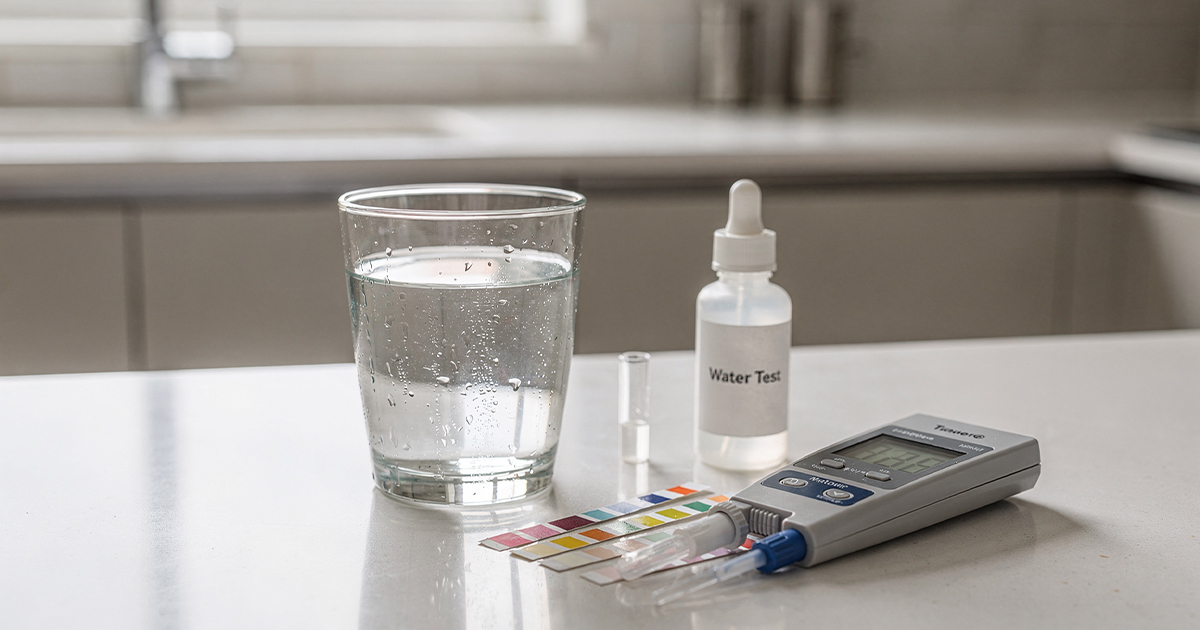
Many homeowners want a simple answer to a complex question: what is actually in their water?
A home water test is often the first step in answering that question. However, there is a gap between what people expect these tests to reveal and what they are designed to measure. Understanding that difference is critical before making decisions about filtration or treatment.
For a broader understanding of contaminants, including emerging concerns like microplastics, review What’s Really in Your Water? A Complete Guide to Water Contaminants, Microplastics, and Modern Filtration.
What a Home Water Test Is Designed to Measure
A professional in-home water test focuses on measurable indicators that directly affect how water behaves in a home. These are not random measurements. They are selected because they influence taste, performance, and long-term system impact.
The most common parameters include:
- Hardness: The concentration of calcium and magnesium, which contributes to scale buildup
- Chlorine: A disinfectant used in municipal systems that affects taste and odor
- pH level: The balance between acidity and alkalinity, which can influence corrosion or scaling
- Iron and minerals: Often present in groundwater, contributing to staining and discoloration
These indicators do not represent every substance in the water. Instead, they provide a practical snapshot of how water interacts with plumbing, appliances, and daily use.
Why These Measurements Matter in Real Homes
Water quality is not just about what is safe to drink. It also affects how water performs in everyday situations.
For example:
- Hard water can reduce the efficiency of water heaters and dishwashers
- Mineral buildup can shorten the lifespan of fixtures and appliances
- Chlorine can impact taste, smell, and user experience
- Imbalanced pH can contribute to corrosion in plumbing systems
A home water test focuses on these functional impacts because they are the most immediate and measurable issues for homeowners.
What a Home Water Test Does Not Detect
This is where expectations often need to be reset.
A standard in-home water test is not a comprehensive chemical or microscopic analysis. It does not measure every possible contaminant, particularly those that require controlled laboratory conditions.
Examples of what is typically not detected include:
- Microplastics
- Trace pharmaceuticals
- Complex industrial compounds
- Certain bacteria that require culturing methods
These types of contaminants require specialized equipment, controlled environments, and advanced detection techniques that go beyond the scope of a residential evaluation.
Why a Home Water Test Still Has Significant Value
Even with these limitations, a home water test remains one of the most useful tools available to homeowners.
It provides:
- A clear starting point for understanding water quality
- Data that directly relates to performance issues in the home
- Guidance for selecting appropriate filtration or treatment systems
- A baseline for monitoring changes over time
In practical terms, it helps homeowners move from assumptions to informed decisions.
Connecting Testing to Filtration Decisions
Once a homeowner understands their water, the next step is determining whether treatment is necessary.
For many households, this leads to exploring filtration systems such as reverse osmosis for drinking water. These systems are designed to improve clarity, taste, and consistency by reducing certain dissolved solids and particles.
To understand how these systems function, see How Reverse Osmosis Works: The Science Behind Modern Water Filtration.
How Tri-County Water Can Help
If you want to move beyond assumptions and understand how your water behaves in your home, start with a professional evaluation.
Explore our Free In-Home Water Test to get a clear picture of your water quality.
Frequently Asked Questions
Is a home water test a complete analysis of my water?
No. It focuses on key indicators that affect performance and daily use, not every possible contaminant.
Why doesn’t it test for microplastics?
Microplastics require specialized laboratory methods that are not part of standard in-home testing.
How accurate are home water tests?
They are reliable for the parameters they are designed to measure, such as hardness and chlorine.
Should I still get a test if I do not notice problems?
Yes. Some water issues are not immediately visible but can affect long-term performance.
What should I do after getting my results?
Review them with a professional and determine whether filtration or treatment is appropriate.
Conclusion
A home water test is not meant to answer every possible question about water quality. Its purpose is more practical. It helps homeowners understand how their water behaves and what steps, if any, should be taken next.
That understanding is the foundation for making better decisions about filtration, maintenance, and long-term water use.
Note: In-home water testing identifies key water quality indicators such as hardness and chlorine. Detection of specific contaminants, including microplastics, may require specialized laboratory analysis. Filtration performance varies by system type and water conditions.