Why Water Matters in Bread
Sourdough bread is one of the simplest foods you can make. Flour, salt, and water do most of the work. Because the ingredient list is so short, water quality plays a much bigger role than most people realize.
Chlorine, hardness minerals, and sediment can interfere with fermentation. Yeast and natural bacteria are sensitive, and even small changes in water can affect how dough rises, smells, and tastes.
This challenge helps you see the difference for yourself.
The Bread Challenge: Home Water vs Bottled Water
Make two small sourdough loaves using the exact same recipe.
The only variable you change is the water.
- Loaf A: Your home tap water
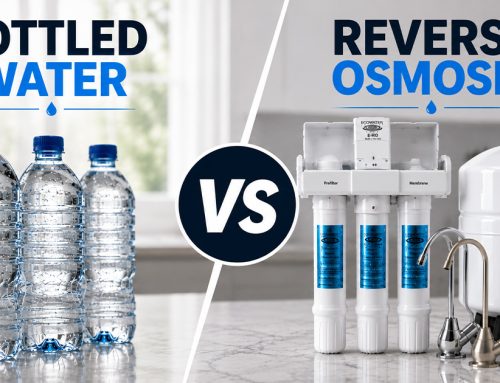
- Loaf B: Bottled spring water or filtered water
Compare rise, texture, and flavor side by side.
Simple Sourdough Bread Recipe (Beginner Friendly)
Ingredients (per loaf):
- 3 cups all-purpose or bread flour
- 1 1/4 cups water (room temperature)
- 1/2 cup active sourdough starter
- 1 1/2 teaspoons salt
Directions
1. Mix the dough
In a bowl, combine flour, water, and sourdough starter. Mix until no dry flour remains. Let rest for 30 minutes.
2. Add salt
Sprinkle salt over the dough. Fold it into the dough using your hands or a spoon until incorporated.
3. Bulk fermentation
Cover and let rest at room temperature for 4 to 6 hours. Every 30 to 45 minutes during the first 2 hours, stretch and fold the dough.
4. Shape the dough
Shape into a round loaf. Place in a lightly floured bowl or banneton.
5. Final rise
Cover and let rise for 2 to 3 hours at room temperature or overnight in the refrigerator.
6. Bake
Preheat oven to 450°F with a Dutch oven inside.
Transfer dough to parchment, score the top, place into the Dutch oven, cover, and bake for 20 minutes.
Remove lid and bake another 20 to 25 minutes until golden brown.
Repeat the exact steps for both loaves. Only change the water.
What to Look For
As the bread bakes and cools, compare:
- Dough rise and structure
- Crumb texture
- Aroma
- Overall flavor
If bottled or filtered water produces better results, your home water may be affecting more than just bread.
What This Says About Your Water
Water quality impacts everything in your home, not just cooking. Hardness, chlorine, and sediment can affect skin, hair, appliances, plumbing, and taste.
If your water struggles in the kitchen, it may be struggling everywhere else too.
Tri County Water offers free in-home water testing so you can understand what is actually coming out of your tap.
FAQ
Does chlorine affect sourdough bread?
Yes. Chlorine can slow fermentation by interfering with yeast and natural bacteria.
Is bottled water better for baking bread?
Often yes, because it is free from chlorine and has more consistent mineral content.
Can filtered tap water work for sourdough?
Yes. Properly filtered water can improve fermentation and flavor.
Why didn’t my sourdough rise well?
Water quality, inactive starter, temperature, or fermentation time can all affect rise.
Does hard water affect yeast?
High mineral content can change yeast activity and dough structure.